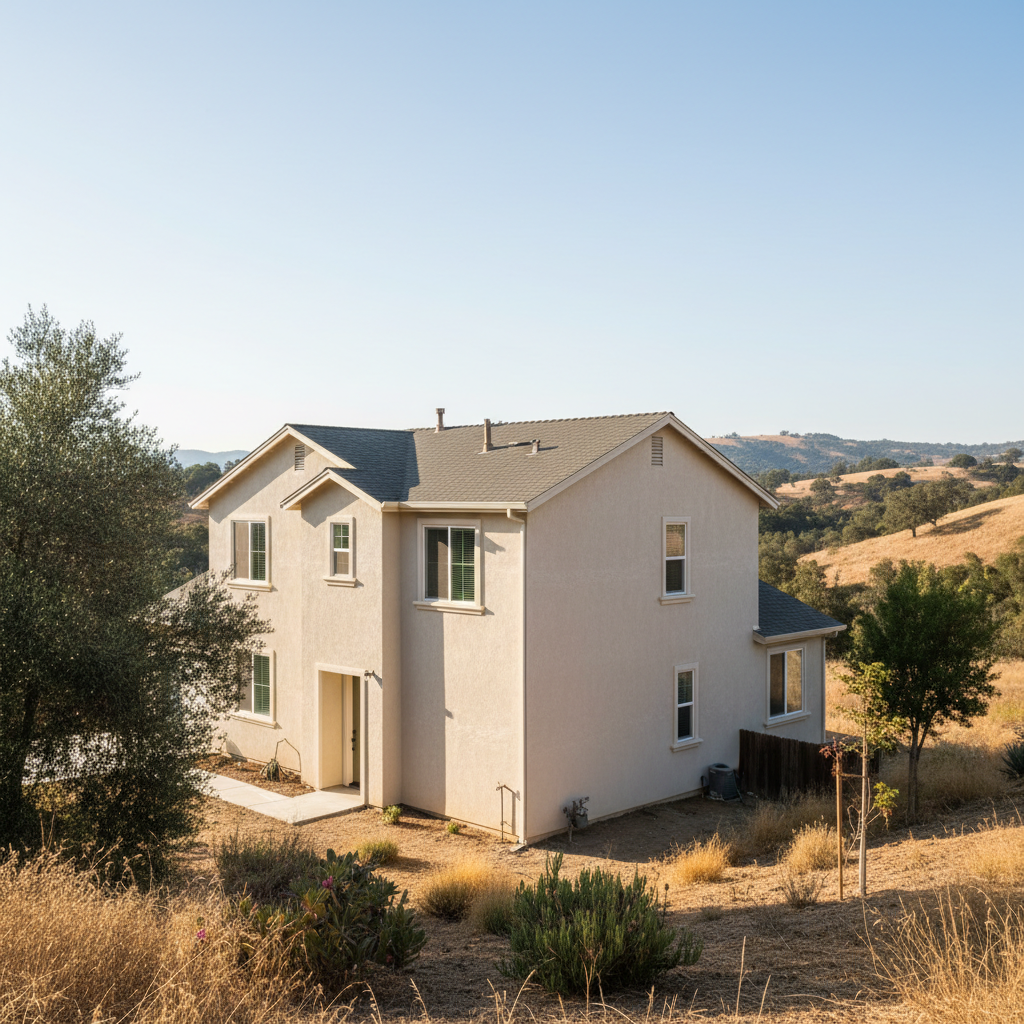
You're looking into EIFS, or Exterior Insulation and Finish Systems, for your place here in Thousand Oaks, and you want to know what it's going to cost. It's a smart system, no doubt about it – great insulation, durable, and you can get some really sharp finishes. But let's be real, you're not just buying a product; you're paying for skilled labor, materials, and a proper installation that'll last. So, let's talk numbers and what actually goes into that final price tag.
What Makes EIFS Cost What It Does?
A lot of folks think EIFS is just EIFS, but there are a bunch of factors that can swing the price up or down. It's not a one-size-fits-all kind of deal.
- The Type of EIFS System: There are different classes of EIFS. Class PB (polymer-based) is the most common residential type around here, and generally more affordable. Class PM (polymer-modified) is heavier, often used for commercial buildings, and costs more because it's more labor-intensive and uses different components. We mostly deal with PB for homes in neighborhoods like Westlake Village or Dos Vientos, and that's usually what folks are looking for.
- Square Footage and Wall Complexity: This is a big one. A simple, flat wall on a single-story house is way easier and faster to do than a multi-story building with lots of windows, doors, architectural details, and bump-outs. More corners, curves, and cut-outs mean more labor and more material waste, which drives up the price per square foot.
- Condition of the Existing Substrate: If we're putting EIFS over old stucco that's crumbling, or plywood that's got rot, we've got to fix that first. Prep work isn't free. Sometimes you'll need new sheathing, moisture barriers, or repairs to the framing. This can add a significant chunk to the overall cost.
- Insulation Thickness: The