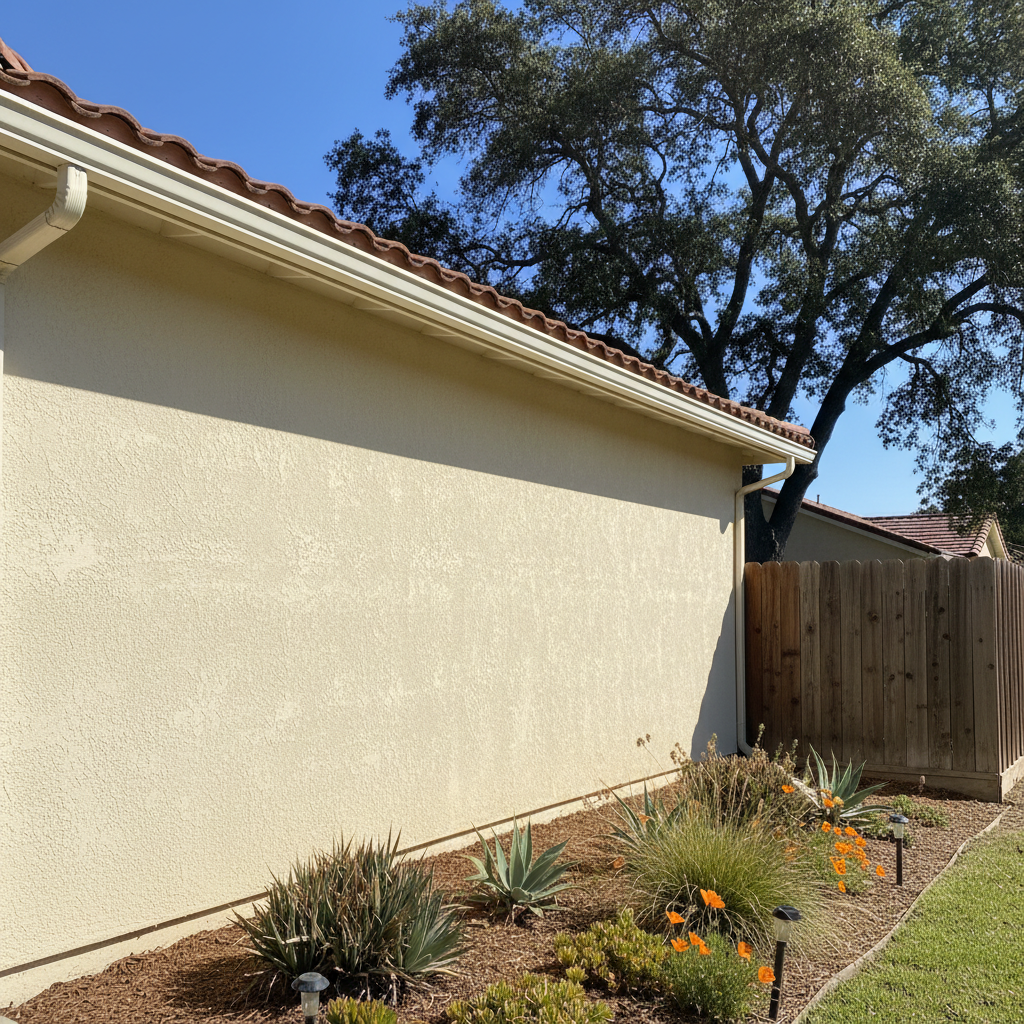
You've got stucco on your home, and that's a smart choice for our area, isn't it? It's tough, looks good, and handles our climate pretty well. But "tough" doesn't mean "indestructible." Just like anything else, a little care goes a long way in making sure your stucco lasts for decades and keeps protecting your home.
I've been working with stucco around Thousand Oaks for years, and I've seen what works and what definitely doesn't. This isn't rocket science, but ignoring the basics can lead to big headaches and expensive repairs down the line. So, let's talk about how to keep your stucco looking sharp and doing its job.
Making Your Stucco Last Longer
The biggest thing you can do to extend your stucco's life is pretty simple: keep it clean and dry. Our dry summers here in Thousand Oaks are great, but when we do get rain, or if you've got sprinklers hitting the wall, that moisture needs to dry out. Stucco is designed to breathe, but constant dampness is its worst enemy.
Manage Your Landscaping: Keep plants, bushes, and trees trimmed back from your stucco walls. They can hold moisture against the surface, block sunlight from drying it out, and even scratch or damage the stucco over time. I've seen plenty of homes in neighborhoods like Dos Vientos where overgrown shrubs have caused hidden moisture issues, believe me.
Check Your Sprinklers: Make sure your irrigation system isn't constantly spraying your stucco. Adjust sprinkler heads so they water your plants, not your house. This is a common culprit for localized staining and even stucco deterioration near the ground.
Gutters and Downspouts: Are your gutters clean and directing water away from your foundation? Overflowing gutters can dump water directly onto your stucco, leading to streaks, staining, and eventually, water intrusion. It's a simple fix that prevents a major problem.
Regular Cleaning: A gentle wash every year or two can remove dirt, dust, and mildew. Use a soft brush and a mild detergent, or a low-pressure power washer. High pressure can damage the stucco surface, so be careful. You're just trying to clean it, not strip it.
What Regular Maintenance Looks Like
Beyond the big stuff, there are a few routine checks you should be doing. Think of it like checking the oil in your car – small effort, big payoff.
Visual Inspections: Walk around your house a couple of times a year. Look closely at the stucco, especially around windows, doors, and the foundation line. What are you looking for? Cracks, discoloration, bulging, or anything that just looks 'off.' After a good rain is a great time to do this, as moisture issues might be more apparent.
Caulking Check: The caulk around windows, doors, and where different materials meet the stucco (like trim boards) is crucial. It's the first line of defense against water getting behind the stucco. Check for cracks, shrinking, or missing caulk. If it looks bad, re-caulk it. Use a good quality, paintable exterior caulk.
Paint Condition (if applicable): If your stucco is painted, check for peeling, blistering, or fading. Good paint acts as an extra layer of protection. If it's failing, it's not doing its job. This might mean it's time for a fresh coat.
Warning Signs of Problems
These are the things that tell you something's not right and you probably need to act sooner rather than later.
Cracks: Hairline cracks are pretty normal with stucco as a house settles or temperatures change. But if you see cracks that are wider than a credit card, or if they're running in a spiderweb pattern, or if they're horizontal and long, those are red flags. They can be pathways for water.
Stains and Discoloration: Dark streaks, green patches (algae/mildew), or rust-colored stains often indicate a moisture problem. Black streaks below windows are a classic sign of water getting in and running down behind the stucco.
Bulging or Soft Spots: If you push on a section of stucco and it feels soft, or if you see a bulge, that's a serious sign of water damage and possibly rot underneath. Don't ignore this.
Efflorescence: This is a white, powdery substance that appears on the surface. It's mineral salts left behind when water evaporates from within the stucco. It means water is getting in and trying to get out, carrying minerals with it. It's a clear indicator of a moisture issue.
Stucco Separating: If the stucco is pulling away from the wall, especially at corners or around openings, that's a structural issue that needs immediate attention.
When to Call a Professional
Look, a lot of the maintenance I've talked about, you can handle yourself. Cleaning, trimming, re-caulking – that's homeowner stuff. But there are times when you really need to bring in someone who knows what they're doing.
Significant Cracks: If you've got those wider, spiderweb, or structural-looking cracks, don't try to patch them yourself unless you really know what you're doing. A professional can diagnose the cause and repair it correctly to prevent future issues.
Water Intrusion: Any sign of water getting behind the stucco – bulging, soft spots, persistent staining that doesn't go away with cleaning – means you've got a leak. This isn't just a stucco problem; it's a potential structural problem for your home. You need an expert to find the source and fix it right.
Large-Scale Damage: If a big section of stucco is damaged from an impact, or if you're seeing widespread issues across multiple walls, it's time for a pro. We've got the tools and the experience to make those repairs blend seamlessly and last.
Before Repainting: If you're planning to repaint your stucco, it's a good idea to have a stucco professional do a quick inspection first. We can identify and fix any underlying issues before they get sealed in by a new coat of paint, saving you from having to redo work later.
At Thousand Oaks Stucco & Plastering, we've seen it all. We can help you figure out if a problem is minor or if it needs a more serious repair. Don't wait until a small issue turns into a major headache. A little proactive maintenance and knowing when to call for help will keep your stucco looking great and protecting your home for years to come.