What's the difference between traditional stucco and EIFS?
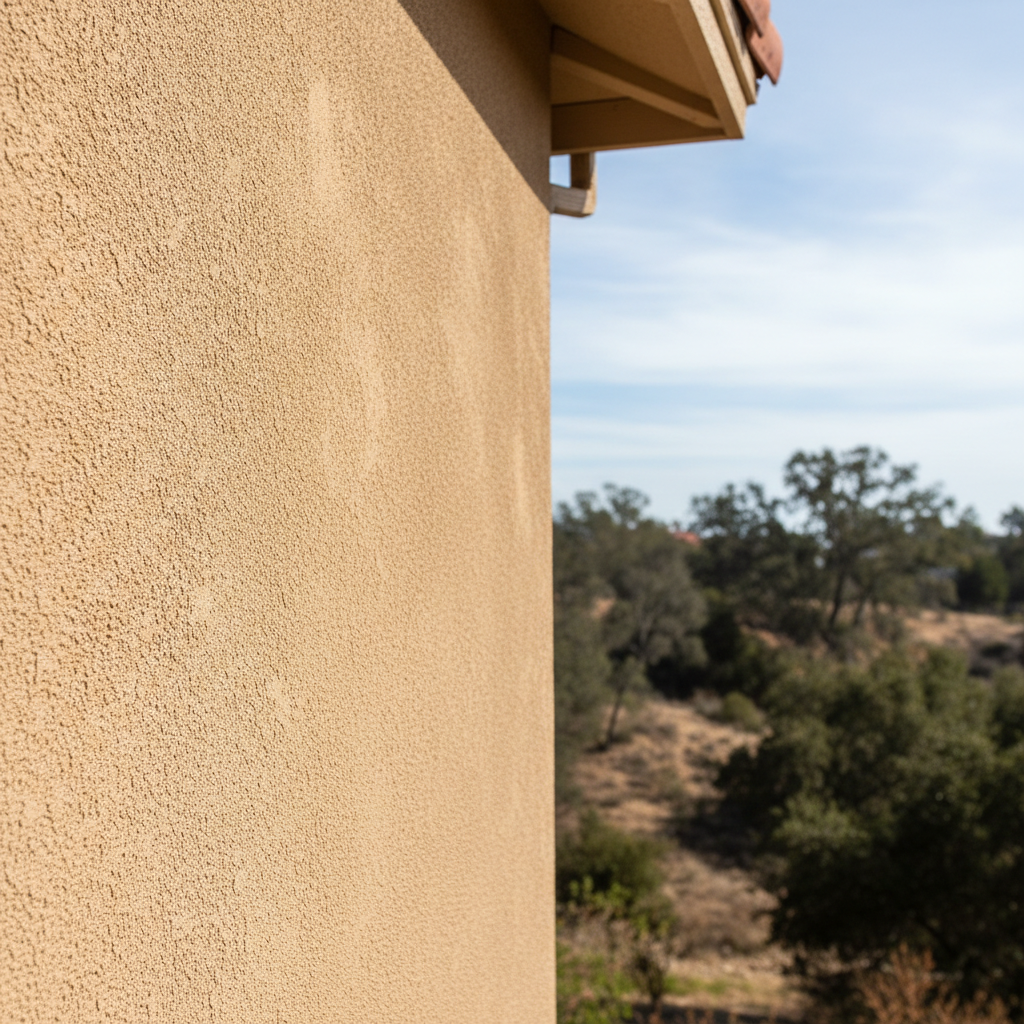
This is probably the question I get asked most often, and it's a good one too. They might look similar, but they're built completely differently. Traditional stucco, the kind we often call "hard-coat," is basically a cement-based plaster system. We apply it in layers over a wire lath, usually with a weather-resistant barrier underneath. It then cures, getting as hard as concrete. It's tough, it breathes, and honestly, it's been around for centuries. It handles our dry, hot summers and those occasional wet Thousand Oaks winters pretty well.
EIFS, which stands for Exterior Insulation and Finish System, is a synthetic product. Imagine a fancy foam board — like rigid insulation — that gets glued right onto your wall. Then, we cover it with a fiberglass mesh and a thin, flexible acrylic finish coat. It's fantastic for insulation, and it can make your home much more energy efficient. The big difference between the two? How they deal with moisture. Traditional stucco can actually absorb and then release some moisture, but EIFS is designed to be a barrier. So, if any water somehow gets behind it, you're looking at real problems unless it was installed perfectly with proper drainage. You'll spot EIFS on lots of commercial buildings, sure, but it's on plenty of homes too, especially those built in the 80s and 90s around places like Lynn Ranch.
How long should my stucco last before it needs major work?
A traditional stucco system, if it's installed right, can last an incredibly long time. I'm talking 50 to 100 years, sometimes even more, as long as you keep up with maintenance. The finish coat might need a refresh or a new coat of paint every 10-20 years, but the stuff underneath is just incredibly durable. EIFS is a bit different. Its lifespan really depends on how well its sealant and finish coat hold up. If you maintain those, you might get 30-50 years out of it. For both types, the real secret is staying on top of inspections and repairs. Ignoring small cracks or letting water sneak in? That's what truly cuts their life short.
Are all cracks in stucco a big deal? When should I worry?
Not all cracks are created equal, and this is where a lot of homeowners tend to get pretty anxious. Hairline cracks, sometimes called spiderweb cracks or craze cracks, are actually pretty common in traditional stucco. They're usually just on the surface, happening as the stucco cures or from minor expansion and contraction due to temperature changes. Most of the time, these aren't structural, and they won't let water in. Often, you can just paint over them or fill them with a good elastomeric caulk if they really bother you.
You should start to worry when you see cracks that are wider than a credit card, run horizontally or vertically for long distances, or show up in a stair-step pattern — especially around windows or doors. Those could be pointing to structural movement, foundation issues, or even underlying water damage. Also, if you notice cracks that are discolored with dark streaks, that's a definite red flag for moisture. If you're ever unsure, it's always best to have someone like us at Thousand Oaks Stucco & Plastering take a look. We can tell you if it's just cosmetic or something more serious that needs attention.
What causes stucco to get those ugly dark streaks or stains?
Those dark streaks are almost always a sign of water. It could be a leaky gutter overflowing onto the stucco, a sprinkler head constantly drenching the wall, or maybe even a roof leak. Sometimes, it's just dirt and mildew growing where water sits for too long, especially on north-facing walls that don't get much sun. But often, it's water getting behind the stucco from a faulty flashing around a window, door, or roofline. Then, it drains out through a crack or weep screed, bringing dirt and dissolved minerals right along with it. You've simply got to find the source of that water and fix it, otherwise, the staining will just keep coming back, and you could be dealing with bigger problems like rot in your wall sheathing. Nobody wants that!
Can I power wash my stucco, or will that damage it?
You *can* power wash stucco, but you really need to be careful. Too much pressure can absolutely damage the finish, especially on older or softer stucco. It can blast away the top coat, etch the surface, or even force water into cracks that weren't letting it in before. If you're going to tackle it yourself, use a low-pressure setting (think a fan tip, not a jet stream) and keep the nozzle moving. Stand a good distance back, maybe 12-18 inches, and always test it on an inconspicuous spot first. For EIFS, you need to be even more gentle because its finish coat is thinner and more flexible. Honestly, a soft brush and a garden hose with some mild detergent is often all you need for general cleaning. If you're dealing with really stubborn stains, it might be better to call a professional who knows how to clean stucco without causing damage.
What's the deal with stucco bubbling or delaminating?
Bubbling or delaminating is a serious issue. It means the stucco layers are separating from each other or from the wall itself. For traditional stucco, this usually happens when moisture gets trapped between layers, often because of improper installation or a lack of proper drainage. That trapped water can freeze and expand in colder climates (not as much an issue here in Thousand Oaks, but still possible with our temperature swings), or it can just cause the bond to fail over time. For EIFS, bubbling typically indicates water has gotten behind the synthetic finish coat and is causing the substrate or insulation board to swell or detach. Either way, once you see bubbling, you've got a problem that needs to be addressed quickly. It's not just cosmetic; it means the integrity of your wall system is compromised, and you've likely got water intrusion that could be leading to mold or rot inside your walls. Don't ignore it, seriously.
What kind of maintenance does stucco need in our climate?
For Thousand Oaks homes, stucco maintenance mostly comes down to keeping an eye on things and fixing small issues before they blow up into big ones. First, keep your gutters clean and make sure downspouts direct water away from your foundation. Check your sprinkler heads to make sure they aren't constantly soaking your walls. Look for any cracks, especially around windows, doors, and where different materials meet (like stucco and trim). Seal any gaps with a good quality elastomeric caulk. If you have any plants or vines growing on your stucco, trim them back; they can hold moisture against the wall and hide potential problems. Every few years, give your stucco a good cleaning with a soft brush and mild detergent to get rid of dirt and mildew. If you see any signs of water intrusion or larger cracks, don't wait. Getting those fixed early by a pro like us saves you a lot of headache and money down the road.