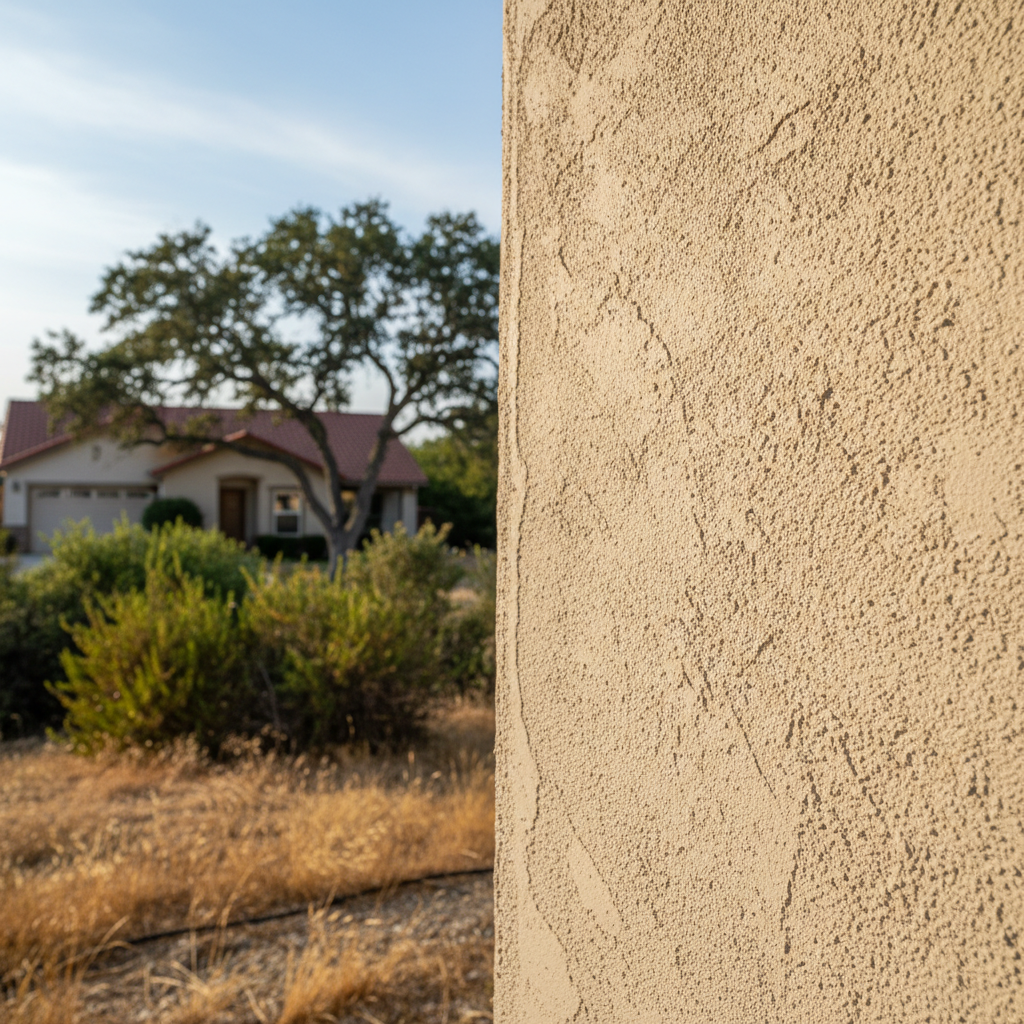
Alright, let's talk stucco inspections. You own a home here in Thousand Oaks, and chances are, it's got stucco. Most homes around here do, especially those built in the last few decades. It's a great, durable finish, but like anything else, it needs a little attention to make sure it's doing its job. You don't need to be a stucco expert to spot potential problems, but knowing what to look for and when to call someone like me can save you a lot of headaches and money down the road.
Before You Start: What to Know
Before you even step outside, understand that a stucco inspection isn't just about looking for cracks. It's about looking for signs of water intrusion, which is the real enemy. Stucco itself is pretty resilient, but if water gets behind it and can't get out, that's when you start seeing real damage to your sheathing, framing, and insulation. Especially with our dry summers and occasional heavy winter rains, proper drainage and sealing are critical.
Think about your home's history. Has it had any major remodels? New windows or doors? Deck additions? These are all points where the stucco system could have been compromised if the work wasn't done right. Also, consider the age of your stucco. Older stucco, especially on some of the homes in the Wildwood area, might have different installation methods than newer homes, and that can affect what you're looking for.
Your DIY Visual Inspection: What to Look For
You can do a pretty thorough visual inspection yourself. Grab a notepad, a pen, and maybe a pair of binoculars for higher spots. Walk around your entire house, slowly, and look at these key areas:
- Cracks: Not all cracks are bad. Hairline cracks are normal as stucco cures and settles. But look for cracks that are wider than a credit card, especially if they're horizontal, diagonal, or form a spiderweb pattern. Pay extra attention to cracks around windows, doors, and where different materials meet.
- Stains and Discoloration: Dark streaks, especially below windows, vents, or rooflines, are a huge red flag. This often means water is getting in and running down behind the stucco. Green or black spots could be mold or algae, indicating prolonged moisture.
- Bulges or Soft Spots: Gently press on the stucco in various places, especially lower down or near plumbing fixtures. If it feels soft, spongy, or sounds hollow when you tap it, that's a sign of delamination or moisture damage underneath.
- Flashing and Sealants: This is critical. Look at all the flashing around windows, doors, and roof-to-wall junctions. Is it intact? Is it properly integrated with the stucco? Are there gaps in the caulk or sealant around these openings? Gaps here are like open invitations for water.
- Gutters and Downspouts: Make sure your gutters are clean and directing water away from the foundation. If downspouts are dumping water right against the stucco, that's a problem waiting to happen.
- Grade Level: The stucco shouldn't go all the way down to the dirt. You need a gap, usually 4-6 inches, between the bottom of the stucco and the soil. If it's buried, moisture can wick up into the wall system.
When to Call a Professional (Like Me)
If you see any of those red flags – wide cracks, persistent staining, soft spots, or obvious flashing failures – it's time to call in a professional. Don't wait. Water damage gets exponentially worse and more expensive the longer it's ignored.
A professional stucco inspection goes beyond what you can see. We use specialized tools like moisture meters to detect hidden water behind the stucco. We'll often do a more invasive inspection, which might involve drilling small holes in inconspicuous places to check moisture levels or even removing small sections of stucco if we suspect serious issues. This isn't something you want to tackle yourself, as you could cause more damage or miss critical signs.
Think of it this way: you can check your car's oil, but you take it to a mechanic for a transmission issue. Same principle. For serious stucco concerns, you need someone who understands the entire wall system, from the lath to the finish coat, and knows how water behaves within it. That's where Thousand Oaks Stucco & Plastering comes in. We've seen it all, from minor repairs to major remediation projects, and we know what it takes to get your stucco back in shape and protect your home.
After the Inspection: What's Next?
Once you've had an inspection, whether it's your DIY check or a professional one, you'll have a better idea of your stucco's health. If you found minor issues like small hairline cracks or old caulk, you might be able to handle those yourself with a good quality elastomeric sealant. Just make sure you clean the area thoroughly first.
If a professional inspection reveals significant moisture intrusion or damage, you'll get a detailed report and recommendations for repair. Don't just jump on the cheapest bid. Make sure the contractor explains the scope of work, what they're doing to address the root cause of the problem (not just patching the symptoms), and what kind of warranty they offer. Getting it fixed right the first time is crucial for the longevity of your home.
Regular checks, maybe once a year or after a big storm, are your best defense. A little vigilance goes a long way in keeping your stucco, and your home, in excellent condition for years to come.