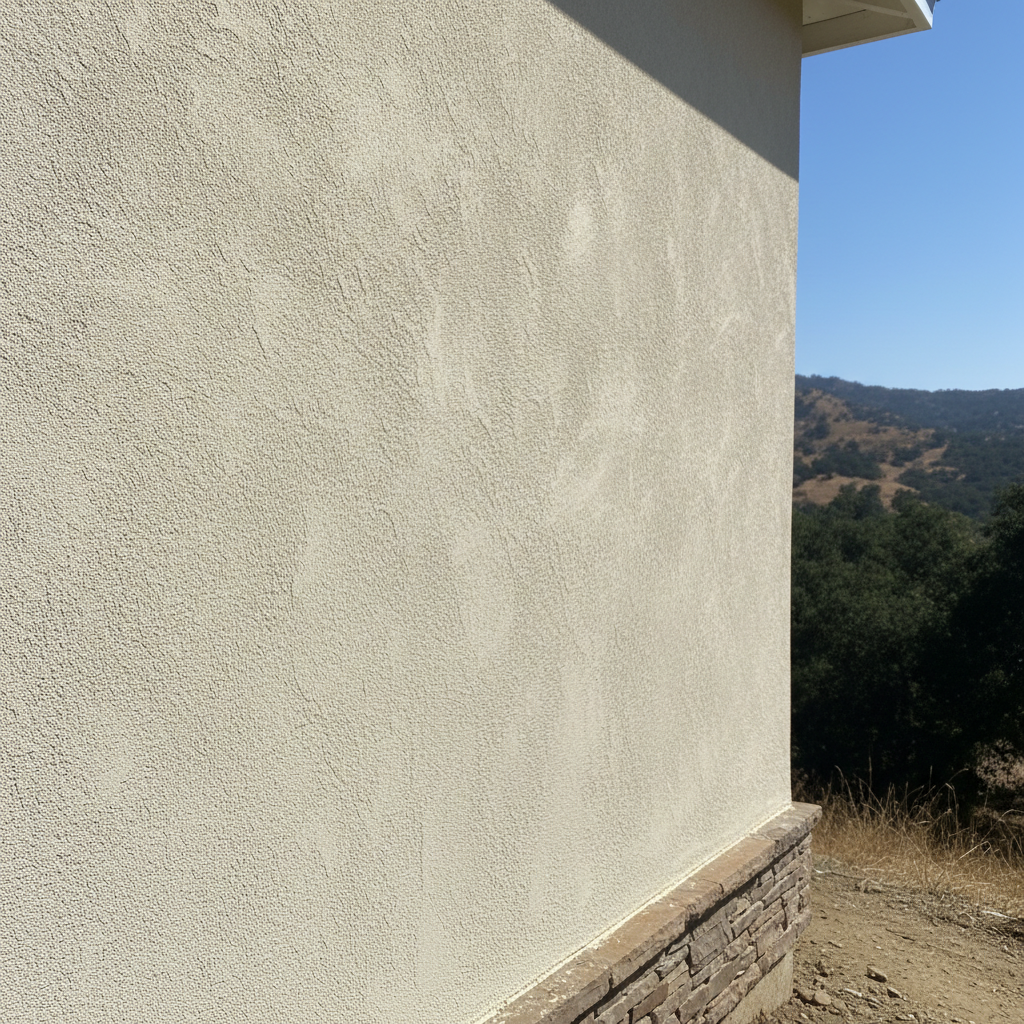
So, you've got stucco on your house. Most homes around here, especially those built in the 70s and 80s in places like Lynn Ranch or Wildwood, have it. It’s a great, durable finish when it’s done right, but like anything else, it needs a little attention now and then. You might be thinking, "Do I really need to inspect my stucco?" The short answer is yes. Catching small issues early can save you a ton of money and headaches down the road.
Before You Start Your Inspection
Before you even step outside, grab a few things. You'll want a good flashlight, a small hammer or a plastic mallet (something that won't damage the stucco), a notepad, and a pen. A camera on your phone is also super handy for documenting anything you find. And definitely wear comfortable shoes, because you'll be walking around the whole house, probably looking up a lot.
The best time to do this? After a good rain, if possible. That’s when water intrusion issues really show themselves. But honestly, any clear day works. Just make sure you've got good light.
What to Look For: Your DIY Inspection Checklist
Alright, let's get down to it. You're looking for signs of trouble, big or small. Don't get intimidated; it's mostly common sense once you know what to focus on.
- Cracks: Not all cracks are bad. Hairline cracks, especially around windows and doors, are pretty common and often just cosmetic. These are usually due to normal settling or temperature changes. But if you see cracks that are wider than a credit card, or if they're running diagonally from corners of openings, that's a red flag. Step-cracks in stucco over a masonry foundation can also indicate bigger structural shifts.
- Discoloration or Staining: Dark streaks, especially under windows, near rooflines, or around vents, are a dead giveaway for water. If you see green or black spots, that's usually mold or mildew, which means moisture is trapped. Rust stains coming from metal components are also a sign of water getting where it shouldn't.
- Bulging or Soft Spots: This is where your hammer or mallet comes in. Gently tap the stucco. It should sound solid. If you hear a hollow sound, or if it feels soft or spongy when you press on it, that's a strong indicator of water damage underneath. This is often rot in the sheathing or framing, and it needs professional attention.
- Missing or Damaged Flashing: Flashing is that metal or plastic strip designed to direct water away from vulnerable areas, like around windows, doors, and where the roof meets a wall. If it's bent, cracked, missing, or improperly installed, water will get in.
- Stucco-to-Ground Contact: Your stucco should never touch the ground. There should be at least a 6-inch gap between the bottom of the stucco and the soil. If it's touching, moisture can wick up into the wall, causing all sorts of problems. This is a super common issue I see around Thousand Oaks.
- Sealants Around Openings: Check the caulk or sealant around all your windows, doors, and utility penetrations (like hose bibs or dryer vents). If it's cracked, dried out, or missing, it's not doing its job, and water can sneak right in.
When to Call a Pro (That's Us, Thousand Oaks Stucco & Plastering)
Look, you can handle some stuff yourself. Recaulking a window, patching a tiny hairline crack with an elastomeric sealant – that’s homeowner territory. But there are definitely times when you need to bring in someone who does this for a living.
- Widespread Cracking: If you've got a spiderweb of wide cracks all over a wall, or if they're consistently running diagonally from corners, you're likely dealing with more than just cosmetic issues.
- Hollow or Soft Spots: As I mentioned, this usually means water damage to the underlying structure. This isn't a DIY fix; it requires opening up the wall, assessing the damage, making repairs, and then re-stuccoing.
- Persistent Staining/Mold: If you've cleaned mold, and it keeps coming back, or if you have dark water stains that don't seem to dry out, you've got an ongoing moisture problem that needs to be tracked down and fixed right.
- Improper Flashing or Stucco-to-Ground Contact: These are installation issues that need proper repair to prevent serious water damage. It's not just about patching; it's about correcting the underlying flaw.
- Any Leak Inside Your Home: If you see water stains on your interior walls or ceiling and you suspect it's coming from outside through your stucco, don't wait. That's an emergency.
A professional inspection goes beyond what you can see. We use moisture meters to detect hidden water, and we know exactly where to look for common failure points. We can assess the extent of damage and give you an honest opinion on what needs to be done. It’s about protecting your biggest investment.
After the Inspection
So, you've done your walk-around. You've got your notes and pictures. Now what? If you found minor issues you can tackle, get to it. Seal those small cracks, replace old caulk. If you found anything that gave you pause – those wide cracks, soft spots, or persistent staining – don't hesitate. Give us a call at Thousand Oaks Stucco & Plastering. We'll come out, take a look, and give you a clear picture of what's going on and what it'll take to fix it right. It's always better to be proactive than to wait until you've got a much bigger, more expensive problem on your hands.