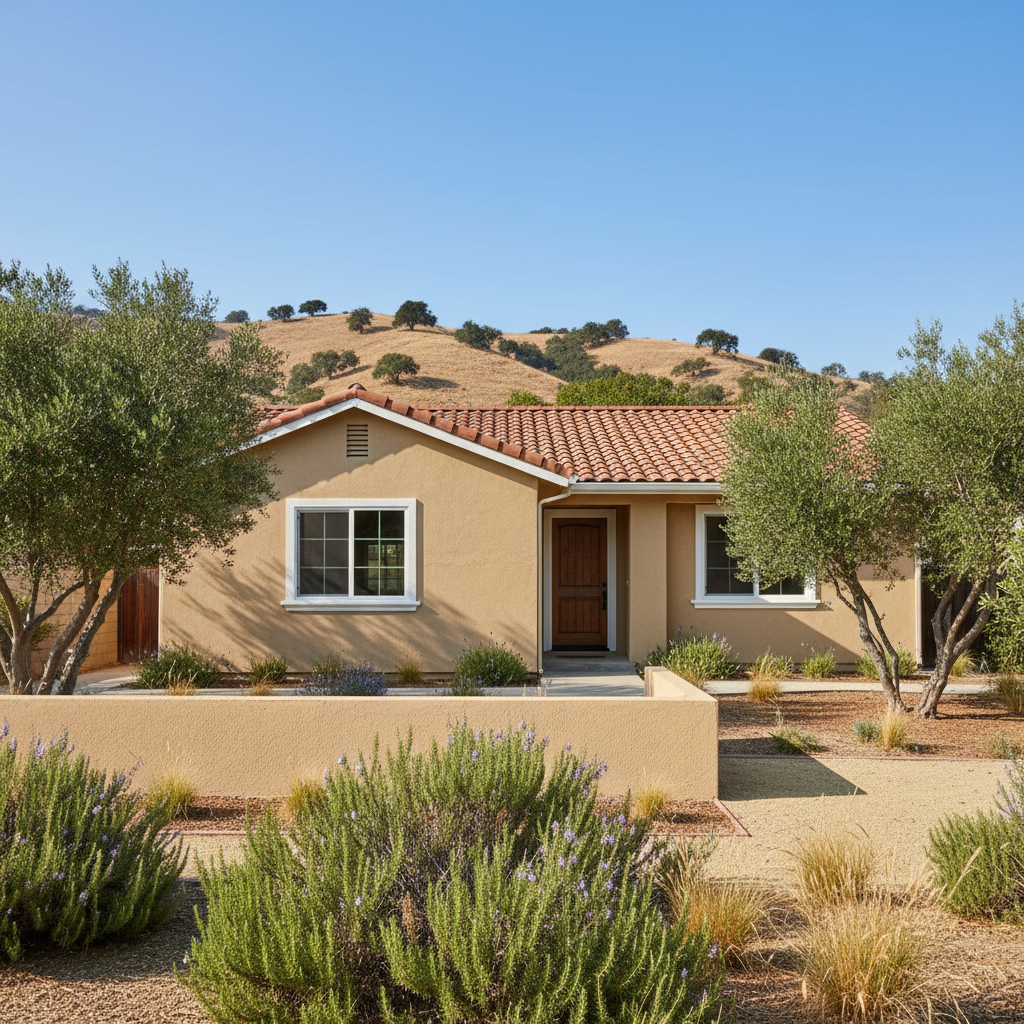
So, you're looking to paint your stucco house. Maybe it's faded from all that California sun, or you just want a fresh look. Good call. A quality paint job not only makes your home look sharp, but it also adds a layer of protection to your stucco, which is always a good thing, especially with our dry, hot summers here in Thousand Oaks.
But what's it going to cost you? That's the million-dollar question, right? I've been doing this for a long time, and I can tell you there's no one-size-fits-all answer. However, I can give you a solid breakdown of what goes into the price tag and what you should expect.
What Makes Stucco Painting Prices Go Up or Down?
A few big things really drive the cost of painting stucco. It's not just about slapping on some paint; there's a lot more involved.
- The Size of Your House: This one's obvious, right? A 1,500 sq ft ranch house is going to cost less to paint than a 3,500 sq ft two-story in North Ranch. More square footage means more labor, more paint, and more prep work.
- Condition of Your Existing Stucco: This is a huge factor. If your stucco is in great shape, just a little dirty, that's one thing. If it's got a bunch of cracks, efflorescence (those white powdery stains), or areas where the old paint is peeling, that's going to add to the cost. We'll need to do repairs first, and that takes time and materials. Think of it like painting a wall inside – you wouldn't just paint over a hole, would you?
- Type of Paint Used: Not all paints are created equal, especially for stucco. You really want a high-quality acrylic elastomeric paint. It's flexible, breathable, and holds up way better against our weather extremes than regular house paint. It's more expensive per gallon, but it's worth every penny for longevity and protection. Don't let anyone talk you into cheap paint for stucco; you'll regret it in a few years.
- Number of Colors/Trim Details: If you're going with one solid color, that's straightforward. If you want a body color, a separate trim color, maybe a different color for the fascia, and another for the garage door, that's more intricate work. Each color change means more cutting in, more taping, and more time.
- Accessibility: Is your house easy to get around? Are there lots of bushes, fences, or steep inclines that make it hard to set up ladders or scaffolding? Tricky access means more time and effort for the crew, which can push the price up.
- Prep Work Required: This is probably the most overlooked part by homeowners, but it's critical. Good prep work is 80% of a good paint job. This includes power washing, scraping loose paint, patching cracks, repairing damaged stucco, masking windows and doors, and priming any bare stucco. Skimp on this, and your new paint job won't last.
Typical Stucco Painting Costs in Thousand Oaks
Alright, let's talk numbers. Based on what I see around here, you're generally looking at a range of $2.50 to $6.00 per square foot for a quality stucco painting job. This is for the exterior walls only, not including roofs or other structures.
- Smaller homes (1,200-1,800 sq ft) with good stucco condition: You might be in the $3,000 - $6,000 range.
- Medium homes (1,800-2,500 sq ft) with average stucco condition: Expect something like $5,000 - $10,000.
- Larger homes (2,500-4,000+ sq ft) or those needing significant stucco repair: You could be looking at $9,000 - $20,000+.
Remember, these are rough estimates. A detailed quote will give you the exact figure for your specific home.
What Should Be Included in a Quote?
When you get a quote from a reputable company like Thousand Oaks Stucco & Plastering, here's what should be clearly spelled out:
- Detailed Scope of Work: This should list every step, from power washing and scraping to patching and priming, and how many coats of paint will be applied.
- Materials Specification: What kind of paint are they using? Brand, type (e.g., elastomeric acrylic), and sheen. What kind of caulk or patching material?
- Surface Preparation: Exactly what kind of prep work will be done (e.g., crack repair, efflorescence treatment, mildew removal).
- Number of Coats: Typically, it's two coats of finish paint over a properly primed surface.
- Cleanup: What's their plan for daily and final cleanup?
- Warranty: What kind of warranty do they offer on their labor and the paint product?
- Total Cost: The final price, with no hidden fees.
How to Avoid Overpaying (and Underpaying for a Bad Job)
You want a good job at a fair price, right? Here's my advice:
- Get Multiple Quotes: Don't just go with the first guy. Get at least three detailed quotes from different contractors. This helps you compare apples to apples.
- Check References and Reviews: See what other homeowners in Thousand Oaks are saying. Websites like Yelp or Google Reviews are good for this. Ask for local references you can call.
- Ask About Experience with Stucco: Painting stucco isn't the same as painting wood siding. Make sure the contractor has specific experience with stucco.
- Don't Automatically Go for the Lowest Bid: The cheapest bid often means corners are being cut, either on prep work, paint quality, or even insurance. You'll end up paying more in the long run when the paint starts failing prematurely.
- Verify Licensing and Insurance: Always, always, always make sure they're licensed (CSLB for California) and insured. If they're not, you could be liable if someone gets hurt on your property.
- Get Everything in Writing: A detailed contract protects both you and the contractor.
Painting your stucco home is a significant investment, but a well-done job will protect your home and boost its curb appeal for years. Do your homework, ask the right questions, and you'll be happy with the results.