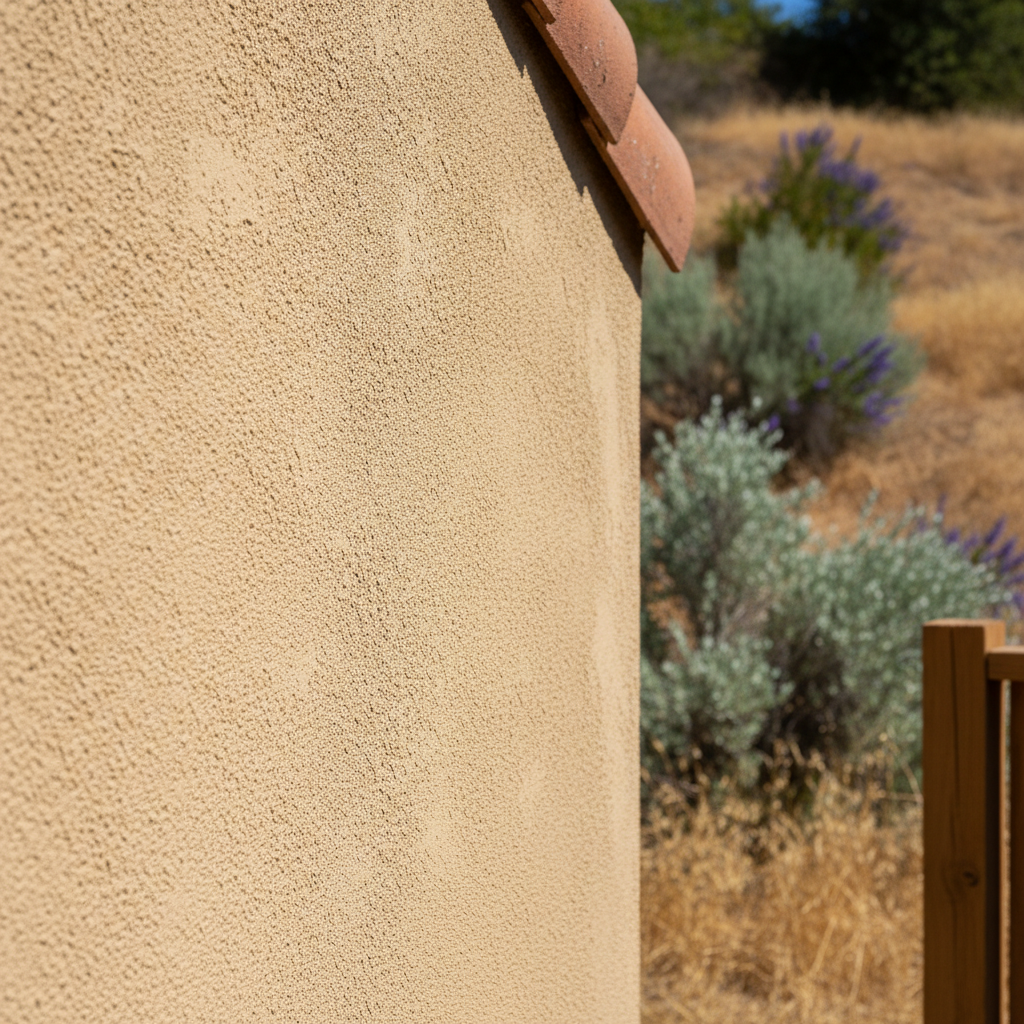
What exactly is stucco redashing, and why would I need it?
Alright, let's get right to it. Stucco redashing, or sometimes called restuccoing, isn't just slapping a new coat of paint on your house. Nope. It's about putting a brand new, thin layer of stucco finish right over your existing stucco. Think of it like giving your home a fresh, durable skin.
Why would you even need it? Most often, it's for looks. Your old stucco might just look tired, faded, or, you know, just plain dated. Maybe you've got some tiny hairline cracks that are an eyesore, or the texture isn't what you want anymore. Redashing can totally refresh your home's appearance without the full, expensive tear-off of all the old stucco. It's also a good way to add another layer of protection, sealing up those small surface flaws before they turn into bigger headaches. Just remember, it's not for structural issues – if you've got big cracks, water coming in, or widespread delamination, you're looking at a different kind of repair, not just redashing.
How long does a redashing project typically take?
This is a common question, and the answer, like most things in construction, is "it depends." A typical single-story home here in Thousand Oaks, say around 1,800 to 2,500 square feet, usually takes us anywhere from 3 to 7 days from start to finish. That includes all the prep work, putting on the new finish coat, and the final cleanup.
What stretches that out? Larger homes, two-story houses, intricate architectural details, or if there's a lot of existing damage that needs patching before we can even think about the new finish. Weather plays a role too. We can't apply stucco in the rain, obviously, and extreme heat can mess with curing times. So, while we aim for a quick turnaround, quality always comes first.
Will redashing fix all the cracks in my old stucco?
No, not all of them, and this is a really important point to understand. Redashing works great for covering up minor, superficial hairline cracks that are just on the surface of the existing finish coat. It basically fills them in and gives you a smooth, fresh canvas.
However, if you have larger, structural cracks – the ones that go deep, or are actively moving – redashing alone won't solve the problem. Those cracks point to a deeper issue, possibly with the underlying lath, framing, or even the foundation. We'd need to properly repair those deeper cracks first, which might mean cutting out sections, putting in new lath, and then patching. Only after those structural issues are taken care of can redashing give you a uniform finish. Don't let anyone tell you redashing will fix everything; it's a cosmetic and protective layer, not a structural repair.
What kind of texture and color options do I have with redashing?
This is where you really get to customize your home's look! With redashing, you have a ton of options for both texture and color. For textures, the most popular ones we do around here are Santa Barbara smooth, which gives you that really clean, modern look; fine sand finish, which has a subtle, granular feel; and then the more traditional medium or heavy dash, which is a bit rougher and more rustic. We can also create custom textures, like a skip trowel or worm finish, if you're looking for something unique.
As for color, the sky's the limit. We use integral color, meaning the pigment is mixed right into the stucco material itself, so the color goes all the way through, not just on the surface like paint. This means it won't chip or peel. You can pick from hundreds of shades, honestly. Most folks in Thousand Oaks tend to go for earthy tones, grays, or warm whites that blend well with the natural landscape and the Mediterranean or Spanish Revival styles common in neighborhoods like Dos Vientos or Lang Ranch.
How much does stucco redashing cost in Thousand Oaks?
Alright, let's talk numbers. The cost of stucco redashing can vary quite a bit, but generally, you're looking at somewhere between $3.00 to $7.00 per square foot of wall surface. Now, that's a broad range, I know, but it really depends on several factors:
- Total Square Footage: Bigger houses simply need more material and labor.
- Existing Condition: If there's a lot of prep work needed, like extensive cleaning, patching, or minor crack repair, that'll add to the cost.
- Accessibility: Two-story homes, houses on hillsides, or those with tough-to-reach areas require more scaffolding and specialized equipment, which ups the labor costs.
- Desired Texture: Some textures, especially very smooth finishes like Santa Barbara, demand more skilled labor and extra steps to get perfect, so they can be a bit pricier.
- Color Choice: While most standard colors are included, some custom or very dark pigments can add a small premium.
The best way to get an accurate quote is to have us come out and take a look at your specific property. We'll give you a detailed breakdown so you know exactly what you're paying for. It's an investment, but a good redash job can dramatically increase your home's curb appeal and value.
Is redashing a DIY project, or should I hire a professional?
Look, I'm a contractor, so you know what I'm going to say, right? But honestly, stucco redashing is definitely not a DIY project for most homeowners. I've seen plenty of well-intentioned folks try it, and it rarely turns out well. Stucco application, especially getting a consistent texture and finish, is an art form that takes years to master.
Here's why you should hire a pro like us at Thousand Oaks Stucco & Plastering:
- Skill and Experience: Getting the mix right, putting it on evenly, and achieving a uniform texture across a large surface is really tough. You need a steady hand and a lot of practice.
- Specialized Tools: We use specific sprayers, trowels, and mixing equipment that most homeowners just don't have lying around.
- Safety: Working on ladders or scaffolding, especially on two-story homes, comes with risks.
- Durability: A professionally applied stucco finish will last for decades. A DIY job might look okay for a year or two, but then you'll start seeing inconsistencies, cracking, or premature wear.
- Warranty: A reputable contractor will stand behind their work. If something goes wrong, we'll fix it.
Save yourself the headache, the wasted materials, and the potential for a botched job that ends up costing more to fix than if you'd just hired a pro in the first place.