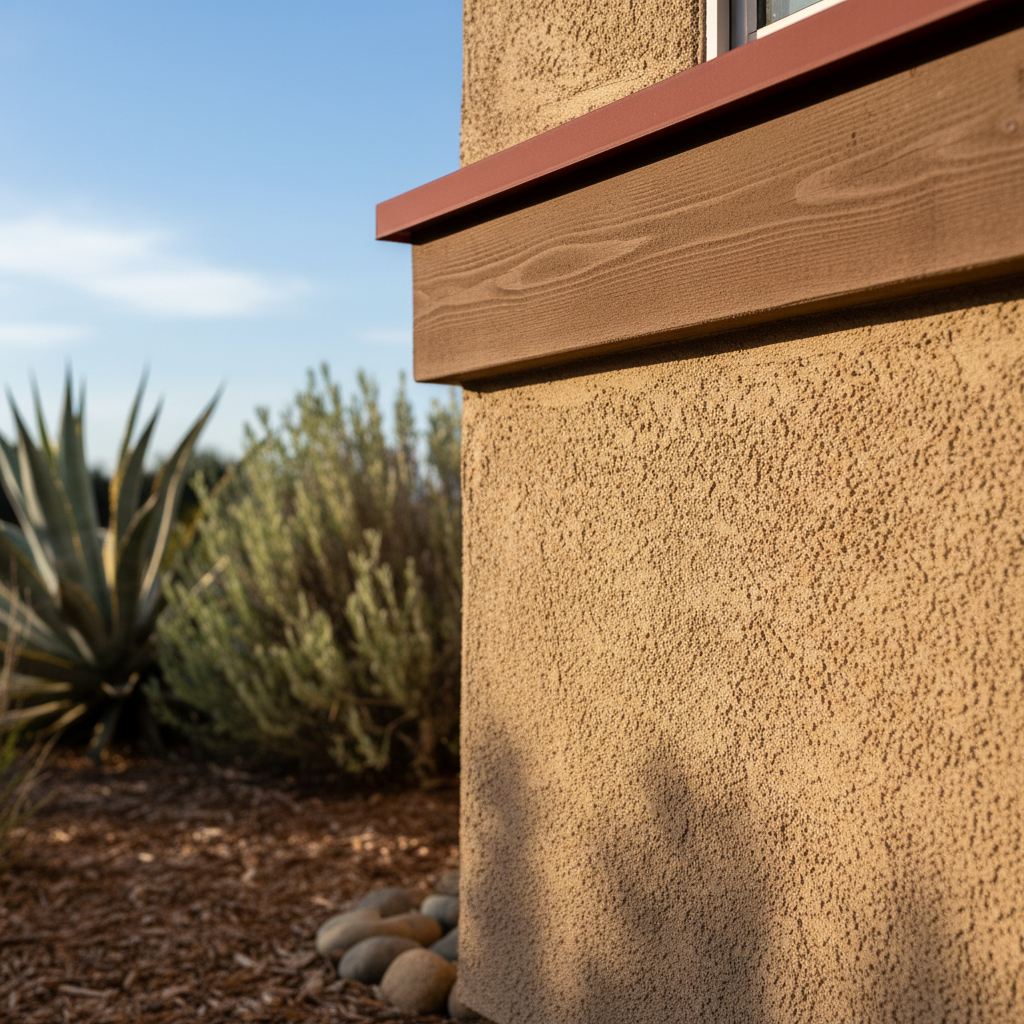
So, you're looking at your stucco and thinking about a project, huh? Maybe it's a small crack, or maybe you're dreaming of a whole new look for your Thousand Oaks home. I get it. Stucco's a great finish, especially here where we get those hot summers and dry Santa Ana winds. It's durable, looks good, and holds up well if it's done right. But there's a big difference between patching a nail hole and re-stuccoing an entire wall. Let's break down what you need to know before you even think about getting your hands dirty, what you can realistically do yourself, and when it's time to pick up the phone and call someone like us at Thousand Oaks Stucco & Plastering.
Before You Start: Planning Your Stucco Project
First things first: figure out what you're actually dealing with. Is it just a cosmetic crack? Is the stucco bubbling or delaminating? Are you seeing water stains inside your house near a stucco wall? These are all very different problems, and they require very different approaches.
If you're just looking to refresh the color, that's often a painting job, not a stucco job. But if the underlying stucco itself is damaged, painting over it won't fix the issue; it'll just hide it for a little while. You need to get to the root of the problem.
Think about the scope. A small patch, say, the size of your hand, is one thing. Repairing a large section, or re-stuccoing an entire side of your house, is a whole other ballgame. For anything larger than a couple of square feet, especially if it involves structural integrity or water intrusion, you're probably looking at a professional job. Trying to DIY a big repair without the right experience often leads to mismatched textures, color variations that stick out like a sore thumb, and sometimes, even making the problem worse.
Also, consider the type of stucco you have. Most homes around here, especially those built in the 70s and 80s in neighborhoods like Dos Vientos or Wildwood, have traditional three-coat stucco. Some newer homes might have one-coat systems. The repair methods can vary, and getting the right materials is crucial for a lasting fix.
What You Can (Probably) DIY
Okay, so you want to save a few bucks and tackle some things yourself. I respect that. Here's what's usually within a capable homeowner's reach:
- Small, hairline cracks: If it's just a tiny surface crack, not letting water in, you can often fill it with an elastomeric stucco caulk. Clean the area well, apply the caulk, and smooth it with a wet finger or tool. Then paint to match.
- Minor patching (nickel-sized dings): For very small chips or dings, you can buy pre-mixed stucco patch. Clean out any loose debris, dampen the area, apply the patch with a trowel or putty knife, and try to match the existing texture. It's tough to get a perfect match, but for tiny spots, it's often good enough.
- Cleaning: Power washing stucco can be done carefully, but you need to know what you're doing. Too much pressure can damage the finish, especially on older, softer stucco. Use a wide fan tip and keep the nozzle moving. Start with low pressure and increase slowly.
The key here is